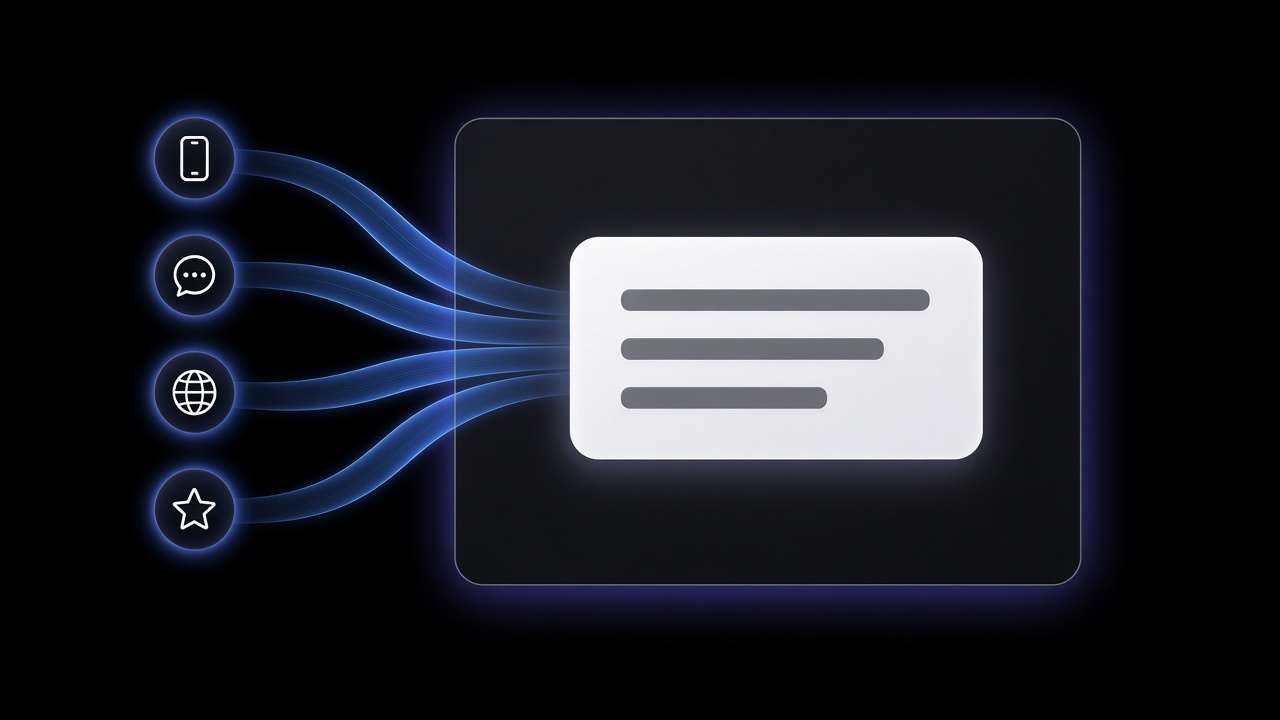
Email and SMS campaigns run on real shop segments — unsold estimates, due maintenance, memberships near renewal — and the reply becomes a booked job on the same OS.
Shop-does voice. Same front-office flows. Same board.
01Segments
Segments that match how HVAC makes money
Build audiences from unsold estimates, due maintenance, and memberships — attributes about the work, not vanity lists.
A retention segment is a cut of the operating record: the declined option still open, the tune-up that is due, the agreement about to lapse. Those are the lists that pay. A mail-tool export of every past customer is not a segment the shop can defend.
This lane competes with ServiceTitan Marketing Pro–class outcomes for HVAC shops — retention segments and campaigns whose replies become booked work on the same OS, not a bolted-on marketing suite and not a second system of record.
What each retention segment becomes.
The lists
Unsold estimates, due maintenance, and expiring memberships are the same records the books already hold.
Segment
Motion
What it writes
Unsold estimate
Email, SMS, or shop-owned voice
Activity on that estimate job
Due maintenance / tune-up
Email, SMS, or outbound voice
The due visit on the property
Membership expiring
Email or SMS, then voice if needed
The renewal visit on the member record
After a paid job
Review request, referral ask
A note on the completed job — not a new list
A list is not a new database. Each row is a cut of the operating record, and the motion writes back to it.
02Email and SMS
Email and SMS campaigns — one-time and automated
Launch retention campaigns that enroll new matches automatically. Keep one-time offers for seasonal pushes.
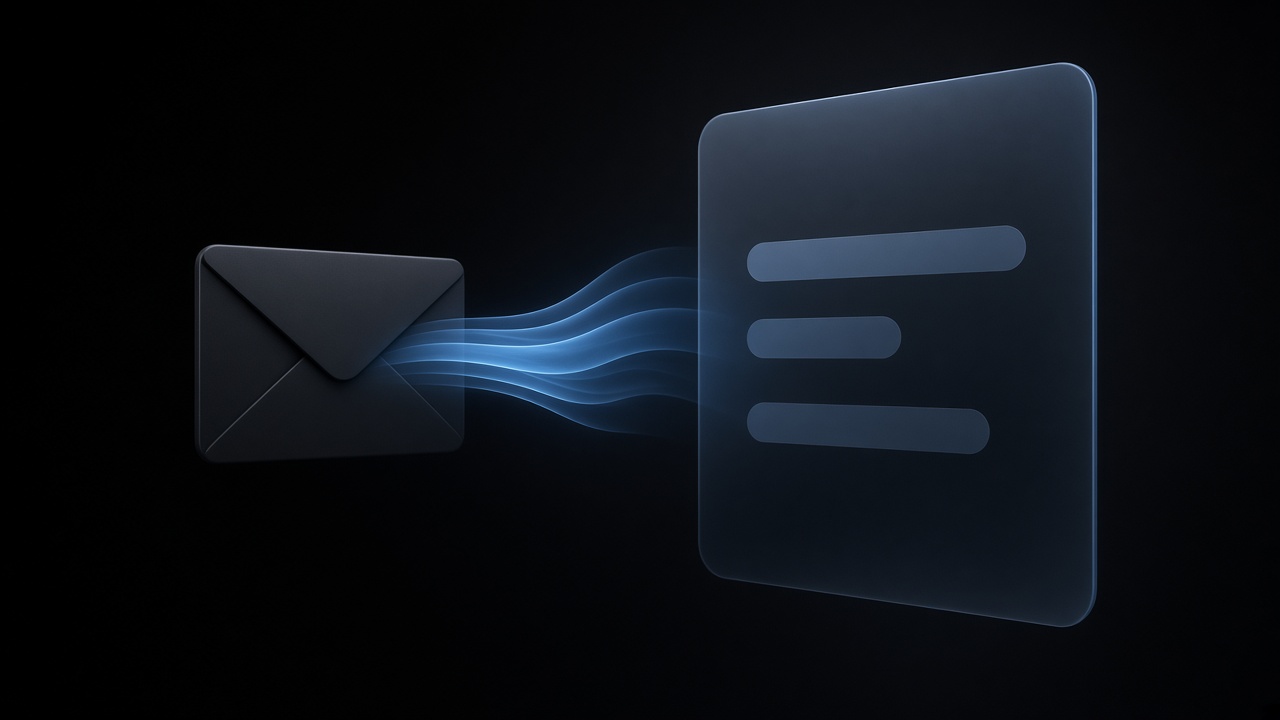
Email carries the estimate reminder and the membership renewal. SMS is the short nudge on the same segment — a confirmation or a still-interested ping — without a separate texting tool. Consensus tools stop at send. The shop still needs the reply on the job.
A one-time send covers a spring tune-up push or a short offer. It does not enroll whoever matches next week. Use it when the shop is filling a window, not when the list should keep growing.
Enroll new matches
Automated
An automated sequence watches the same segment fuel — a new unsold estimate, a membership nearing renewal, a tune-up coming due — and enrolls the next match without a CSV. The send still writes the job.
03Outbound voice
Outbound voice the shop owns
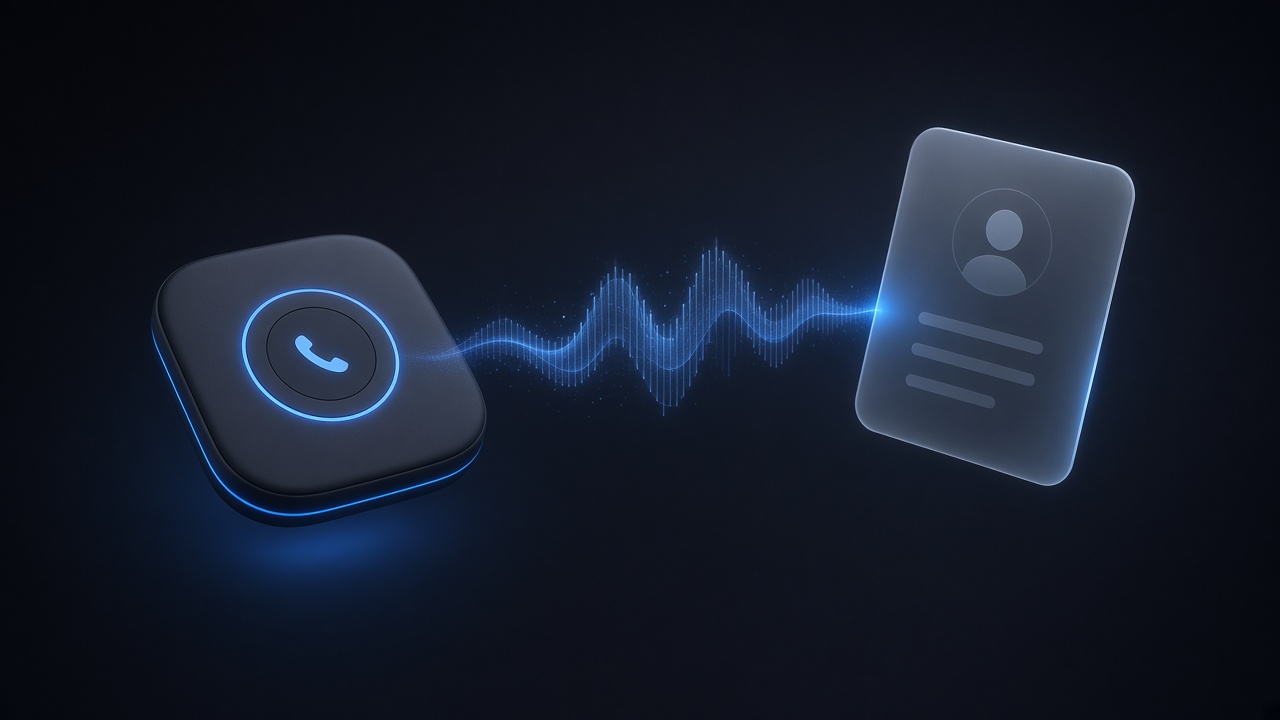
Voice agents call or follow up campaign lists using the same front-office flows CSRs already trust — shop-does voice, not a black-box call center.
Unsold estimates, memberships, and rehash lists are the same segments email and SMS already use. The turn writes the job instead of a transcript someone retypes. Press-1 trees are what the agent replaces, or the flow it already sits on.
Inbound replies hit the unified inbox. Booking respects the zone and capacity the dispatcher will apply.
A yes on email, SMS, or an outbound turn is not a side lead. It lands in the same thread the office already works, and the window it books is already a job — property and zone attached — before it hits the board.
After paid work, request a review and surface a referral ask. This hub is not a reputation playbook.
The ask rides the completed job and the invoice the books already hold. It is adjacent retention, not the climax of the page. Do not spam a list that never bought.
Campaigns read estimate and agreement state. Wins write jobs the AI dispatcher proposes and back office invoices.
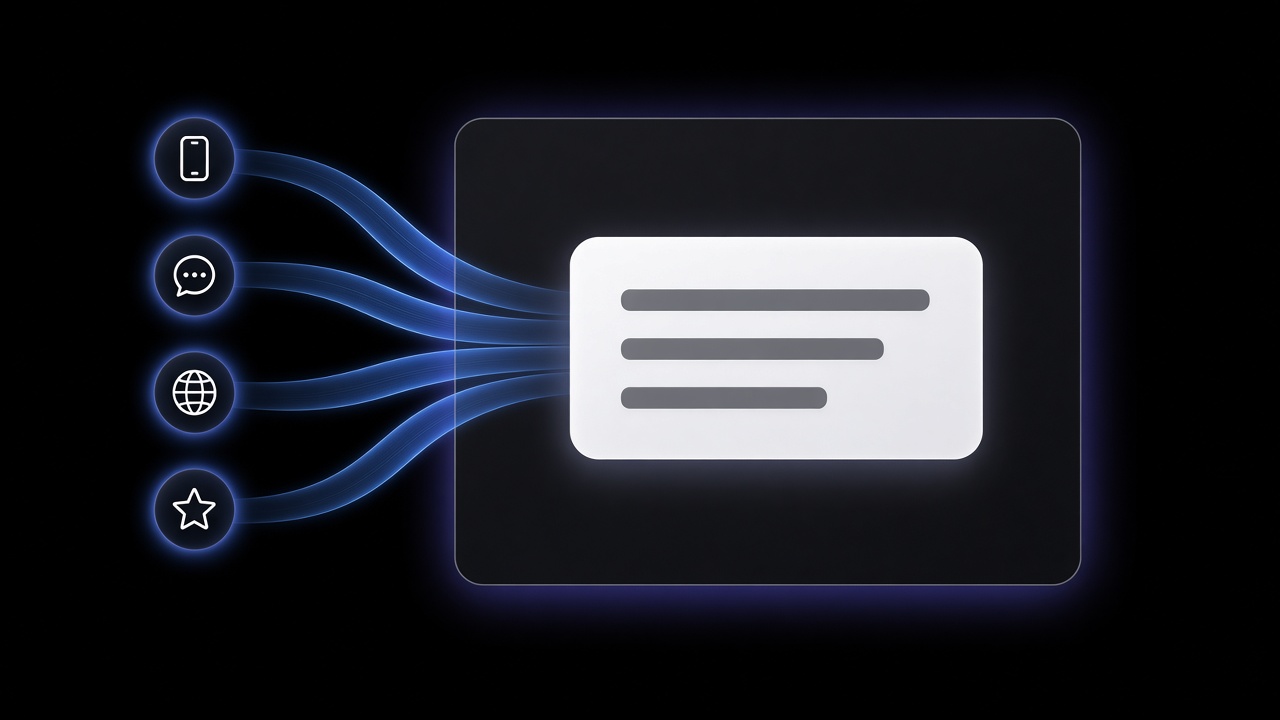
Segment fuel comes from the books. The conversation uses front-office inbox and voice. The booked visit is the job a person still applies on the board. That is one operating system from campaign to paid work, not a mail-tool silo.
Front
A campaign reply lands in the unified inbox. Voice uses the same FO flows.
Brain
The AI dispatcher proposes on that booked job. A person still applies it.
Back
Unsold estimates and expiring memberships are the segment fuel.
Job
The win is a dispatched, invoiced visit — not a send count in another tool.
What the campaigns run on, how email and SMS differ, and how a send becomes a dispatched job.
What is HVAC marketing software vs a mail tool?
HVAC marketing software here is retention work on shop segments — unsold estimates, due maintenance, and memberships — through email, SMS, and shop-owned outbound voice. A mail tool stops at the send. The reply, the booked window, and the invoice stay on the same operating system as front office and back office.
Which segments matter most (unsold estimates, maintenance, memberships)?
The segments that match how HVAC makes money are unsold estimates, customers due for maintenance or a tune-up, and memberships nearing renewal. Those lists are attributes of the work already on the books. A vanity export of every past customer is not a retention segment the shop can run without creating noise.
Email vs SMS — when to use each?
Email carries the longer follow-up: an unsold estimate reminder, a membership renewal, a seasonal tune-up letter. SMS is the short nudge on the same segment — a confirmation or a still-interested ping — without a separate texting tool. Use both on one list when the shop needs a second touch, not a second database.
Can outbound voice run from the same system as campaigns?
Outbound voice agents call the same campaign lists — unsold estimates, memberships, rehash — on the front-office flows CSRs already trust. That is shop-does voice, not a black-box call center. The turn writes the job the email or SMS already opened, so the office does not retype a transcript into dispatch.
How do review requests fit without spamming?
Review requests and referral asks sit next to retention, after a paid job, on the invoice and the completed record the books already hold. They are adjacent, not the point of this hub. Do not blast a list that never bought. The ask should be one note on that job, not a reputation campaign that swallows the page.
How does a campaign become a dispatched job?
A campaign enrolls a match from estimate or agreement state. The reply hits the unified inbox. Booking respects zone and capacity. The AI dispatcher proposes who takes the visit and when; a person still applies it, and back office invoices the same job. That path is the operating system, not a sync from a mailer.
09Book a demo
See segments become booked jobs. Book a demo.
A walkthrough of a retention segment, an email or SMS send, shop-owned outbound voice, and the reply landing as a job the dispatcher will apply. One conversation, not a self-serve signup.
Who this is for
ResidentialWork unsold estimates and due tune-ups from the same board the office already runs.
CommercialKeep campaign activity on the property and contract the truck already opens.
EnterpriseGovern segments across branches so every location writes the same kind of job.
What a demo covers6 rooms
Segments
Lists
Unsold estimates, due maintenance, and expiring memberships as lists.
Email and SMS
Campaigns
One-time seasonal sends and automated enrollment on the same segments.
Outbound voice
Voice
Shop-does voice on the FO flows, calling the same lists.
Inbox and booking
Reply
A reply becomes a window the zone can keep — already a job.
Reviews
Adjacent
A review or referral ask after paid work, not a reputation suite.
Same OS
Job
The dispatcher proposes. Back office invoices the same job.
Before you book
Where do unsold estimates, due maintenance, and memberships live today?
Does a campaign reply write the job, or a second list?
Can email, SMS, and shop-owned voice use the same segment?