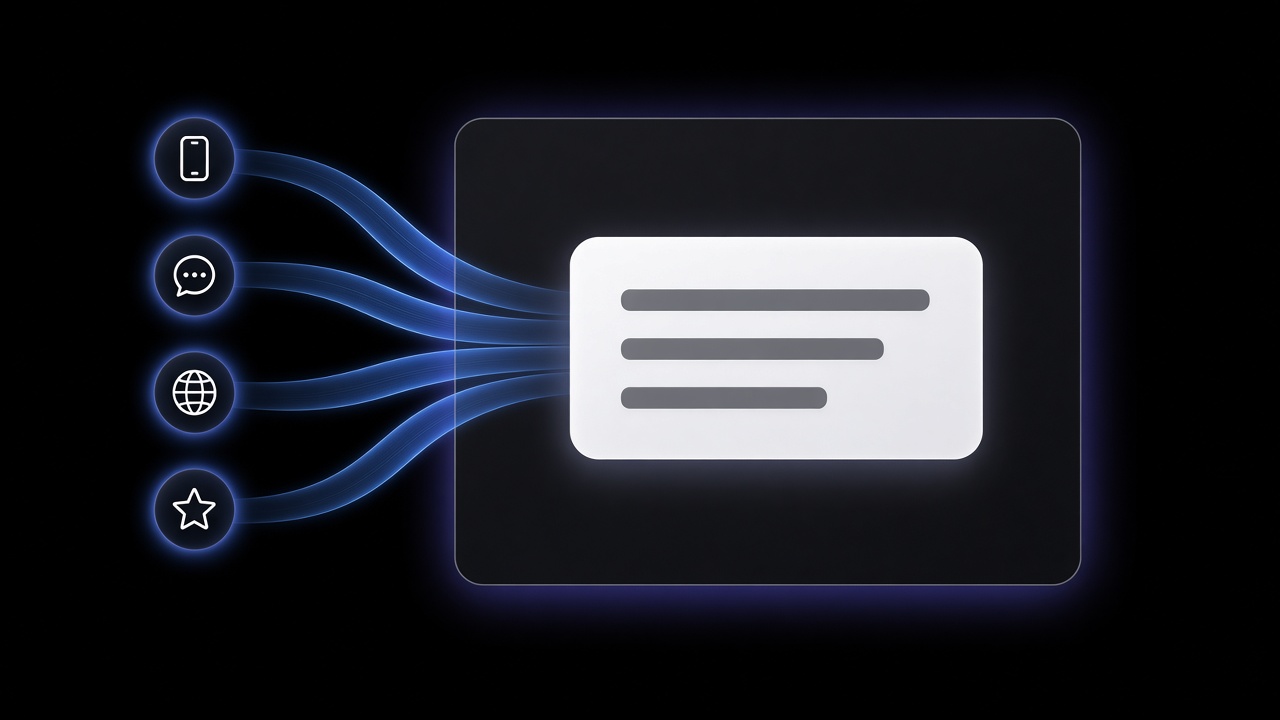
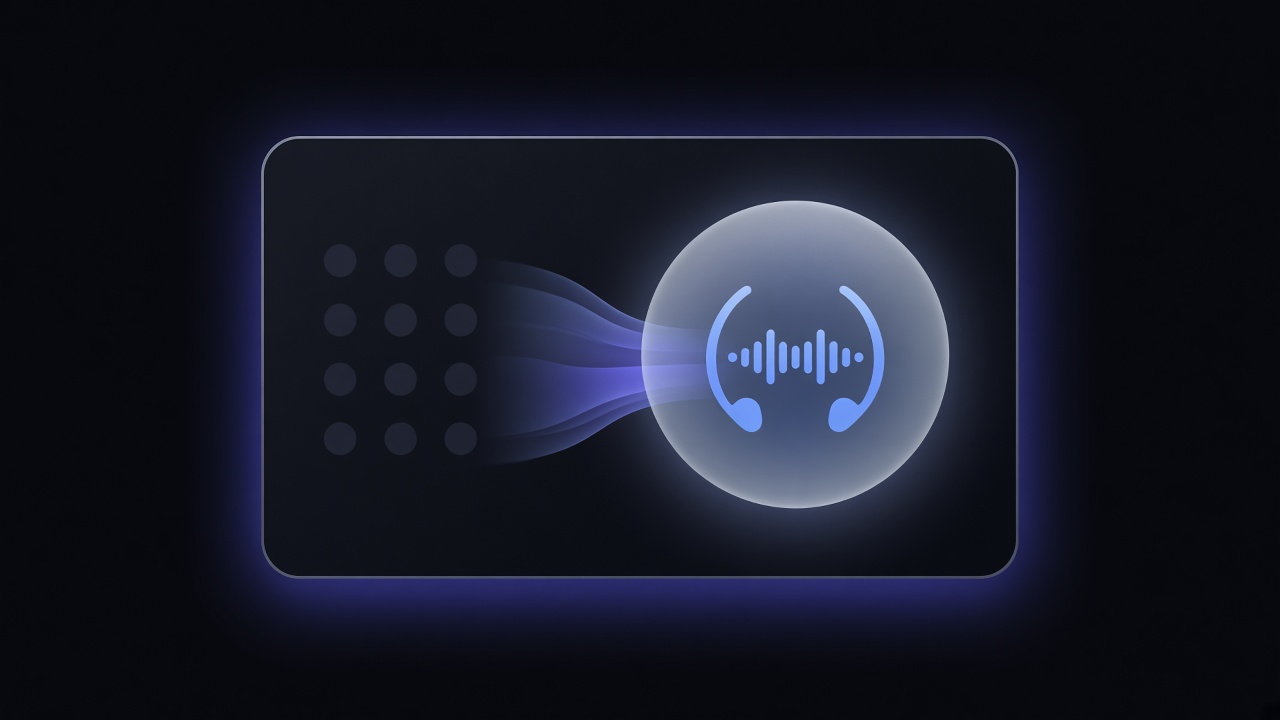
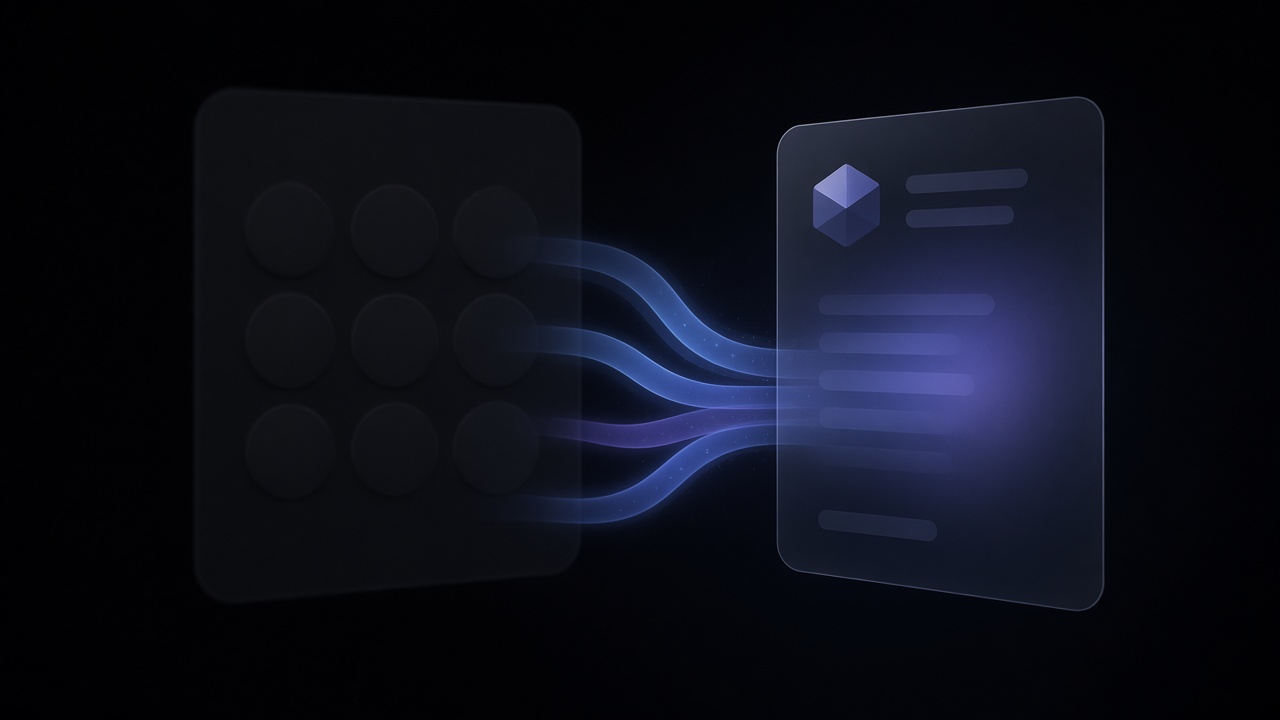
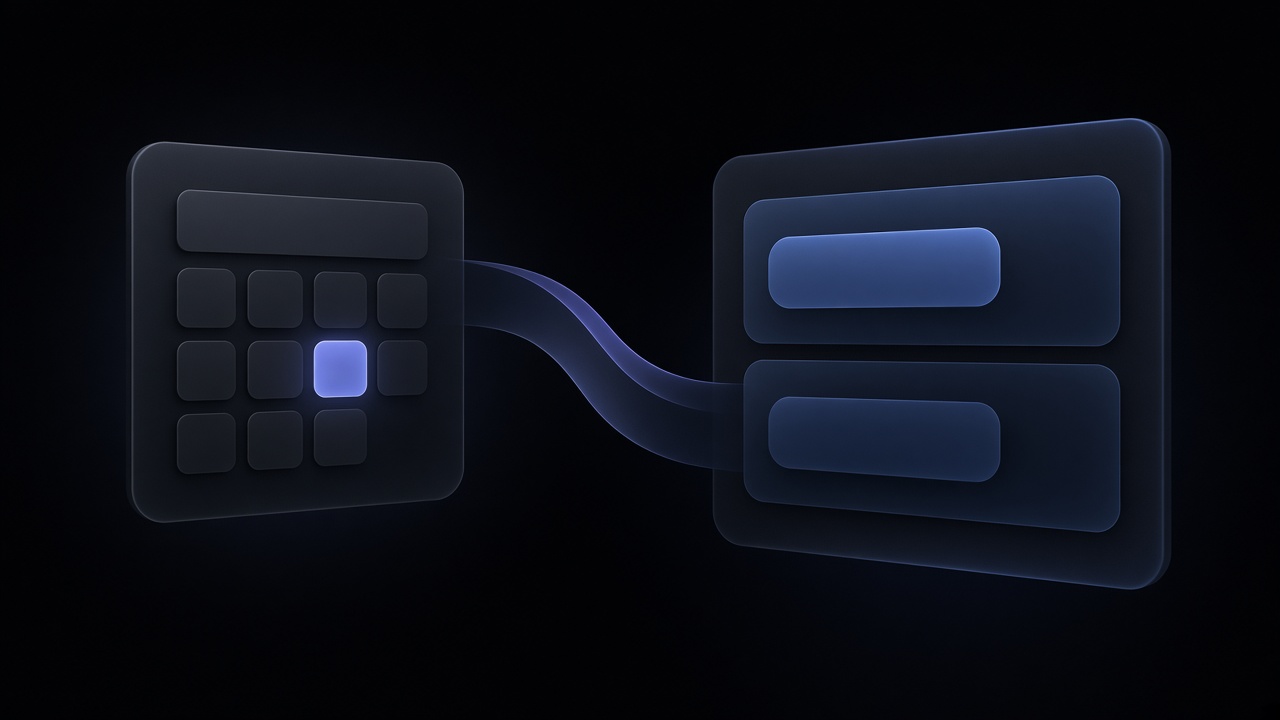
The gain is one native job object from front office through the dispatcher into back office — not an Avoca layer on another platform, not a ProBook overlay the office reconciles later.
02Voice agents
Voice CSR takes the first pass.
Run inbound and outbound voice as the CSR surface — press-1 trees are what the agent replaces, or the flow it already sits on.
Take the no-cool, or work an unsold list, and write the job instead of a transcript someone retypes.
1Sketch the turnThe greeting, the three questions, and the job fields the call has to fill.
2Read it in chatChat is the cheap draft. Wrong wording shows up on the page before it shows up on the phone.
3Hear it in voiceBarge-in, hold, and the handoff to a person only surface out loud.
We are building the prototype surface with design partners. A flow stays a draft until the shop has heard it on a real line.
Publish the call flow the shop line answers.
Design partners
Press-1 tree
1No-cool
2Membership
3After-hours
What the agent replaces — or the flow it already sits on.
An IVR is a published flow, not a menu somebody rebuilds by hand every season. We are publishing these with design partners, with the agent either behind one key or in front of the whole tree.
Where a call goes, scenario by scenario.
Design partners
Scenario
First pass
Hands to
What it writes
Peak no-cool
Voice agent
A CSR, on the same call
One job on the property
Membership tune-up
Voice agent
Nobody — it books the window
The tune-up on the member record
After-hours
Voice agent
The on-call desk, by rotation
The same job, flagged after-hours
Unsold estimate
Outbound agent
A CSR when the answer is yes
Activity on the job already open
A scenario picks the destination, and a person and an agent are two destinations on one flow. Either one writes the same job.
What the desk reads after the calls.
Design partners
Answered
How many the agent took, and how many a person took after it.
Wrote a job
The share that ended as a job instead of a note someone retypes.
Handed off
The turn where the agent stopped and a person picked up.
Called twice
The same number, the same property, inside a day.
Totals do not tell a shop which turn failed. We are building these against design-partner call logs, one named turn at a time.
How a flow gets better.
Vision
A flow should learn from what the tech found on the property, not from how the call sounded. That is the direction we are building toward, not a feature that ships today.
Voice turnwhat the caller said
transcript
The jobwhat the office wrote
outcome
Verified outcomewhat the tech found
mismatch
The AIproposes one change
one change
A personapproves it
The flow never edits itself.
One change, proposed — never applied on its own.
A flow writes the job. A person still applies the dispatch.
03Contact center
The desk hosts agents and people.
Configure the flows that hold both. A voice agent or a person on the desk writes the same job.
Put no-cools, memberships, and after-hours on one contact-center record the truck will open — not a phone stack the office reconciles later.
A walkthrough of the inbox, a voice turn, the contact-center desk, a booking, and the dispatcher proposing — a person still applies it. One conversation, not a self-serve signup.
Who this is for
ResidentialRun every lead into one thread and let the board see the same job.
CommercialKeep voice agents and bookings on the record the truck opens.
EnterpriseGovern intake across branches so every location writes the same kind of job.
What a demo covers5 rooms
Unified inbox
Leads
Angi, web, SMS, and the call in one thread.
Voice agents
Voice
Inbound and outbound — press-1 is what they replace or sit on.
Contact center
Desk
Flows that host agents and people on the same job.
Online booking
Book
A window by zone and capacity — already a job.
AI dispatcher
Brain
The AI proposes. A person still applies it.
Before you book
Where do Angi, forms, texts, and calls land today?
Does a voice agent write the job, or a second ticket?
Does a booking become a job the dispatcher can propose on?